Crucial Pipeline Welding Evaluation Tips for Top Quality Guarantee
In the world of pipe building, the stability of welds holds critical significance to ensure the safety and performance of the whole system. From all-natural gas to fine-tuned petroleum products, pipelines form the lifeline of numerous markets. However how can one assure the top quality of these welds that link the pipeline areas? The solution depends on meticulous inspection strategies and adherence to rigid top quality guarantee standards. By recognizing the crucial pipeline welding inspection pointers, specialists can avoid prospective risks, decrease costly fixings, and support the reliability of these important facilities.
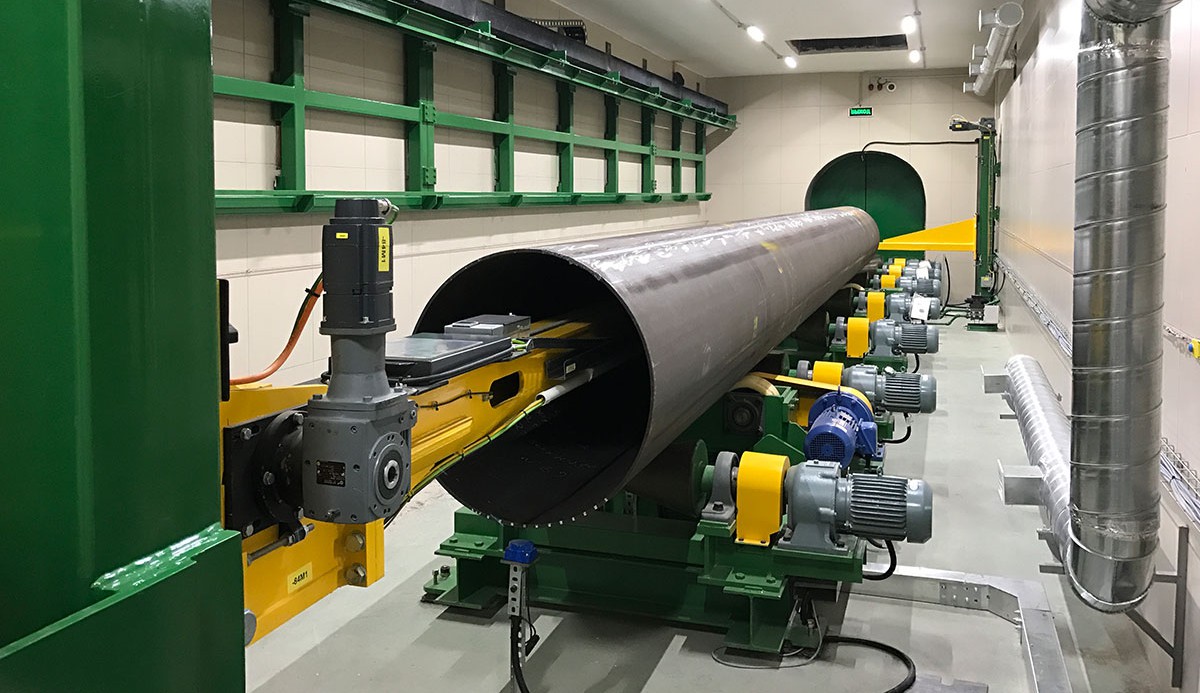
Value of Welding Evaluation
Welding examination plays a vital role in making sure the architectural honesty and security of pipe systems. By carefully checking out welds, examiners can recognize any flaws or blemishes that could jeopardize the honesty of the pipeline. These examinations are necessary for preventing leaks, tears, and various other potentially devastating failings that can result in environmental damages, economic losses, and also loss of life.
The value of welding examination can not be overstated, as the quality of welds directly influences the total performance and longevity of the pipeline. With non-destructive screening techniques such as aesthetic examination, ultrasonic testing, radiography, and magnetic particle testing, examiners can find flaws that may not show up to the naked eye. By determining and attending to these issues at an early stage, welding assessment assists to make sure that pipes fulfill sector criteria and governing needs.
Inevitably, welding examination is a crucial facet of quality control in pipe building and construction, fixing, and upkeep (Pipeline Welding Inspection). By promoting extensive evaluation standards, industry specialists can alleviate threats and maintain the security and reliability of pipe systems
Typical Welding Problems
Among the obstacles dealt with in pipeline welding, usual flaws can considerably influence the architectural integrity and efficiency of the welded joints. Some of one of the most common welding defects consist of lack of blend, porosity, fractures, insufficient infiltration, and imbalance. Lack of fusion takes place when there is inadequate bonding in between the weld metal and the base steel, resulting in a damaged joint. Porosity, defined by gas pockets within the weld, can reduce the stamina and make the weld vulnerable to corrosion. Splits in the weld can propagate with time, jeopardizing the architectural integrity of the pipe. Incomplete official statement penetration takes place when the weld metal does not totally penetrate the joint, resulting in a weak bond. Imbalance, where the weld grain is not correctly focused, can result in stress and anxiety concentration points and possible failure. Identifying and dealing with these usual defects through detailed evaluation and quality assurance procedures are essential for guaranteeing the integrity and safety of pipeline welds.
Inspection Strategies for Pipelines
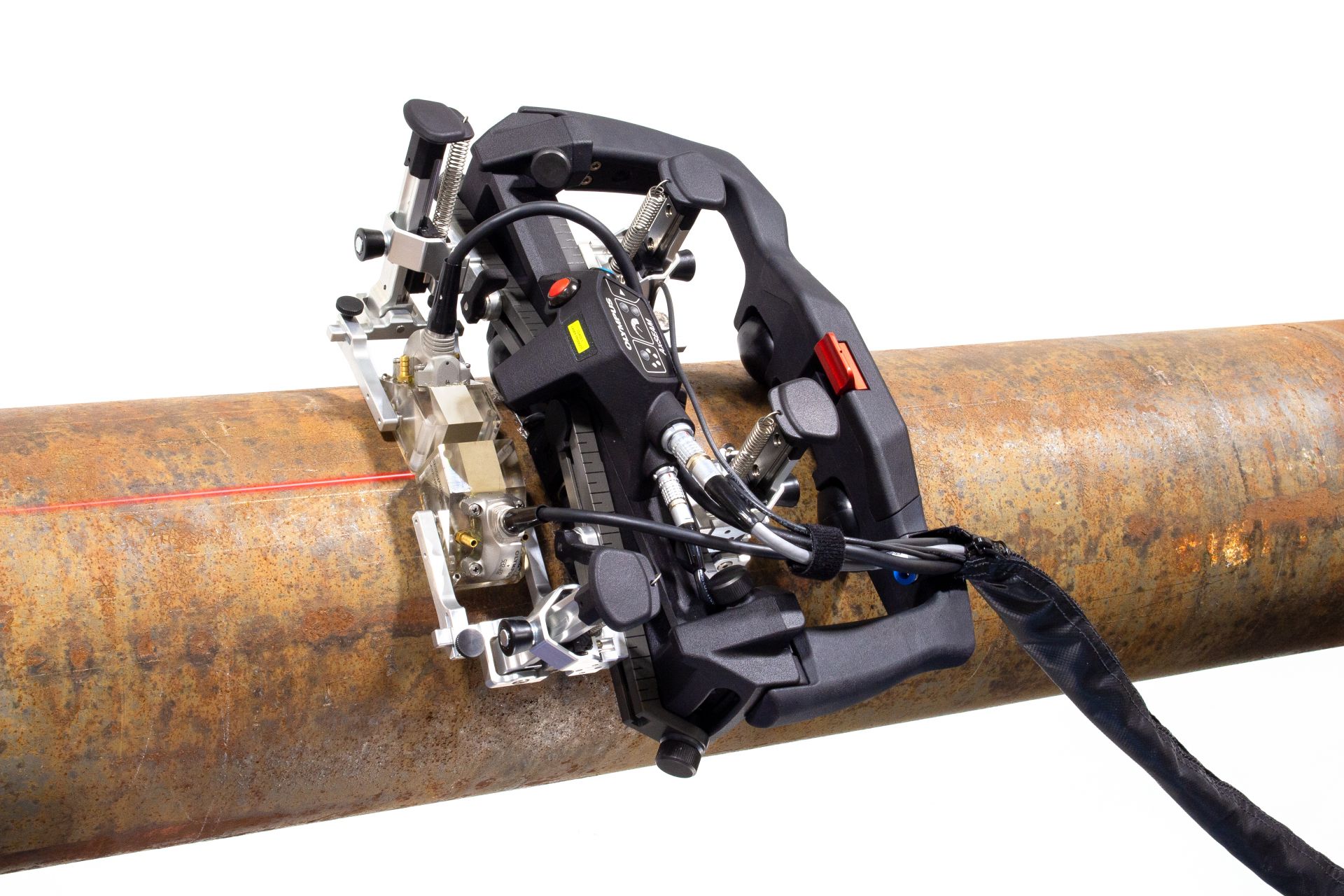

Non-destructive testing (NDT) strategies such as radiographic testing, ultrasonic screening, magnetic bit read review testing, and fluid penetrant screening are typically made use of in pipeline welding assessment. Visual assessment is additionally vital in pipe welding to identify any type of noticeable defects or stoppages. Additionally, computerized inspection methods making use of advanced innovations like drones and robotics are significantly being employed to improve the performance and accuracy of pipeline inspections.
Ensuring Quality Control Standards
To support rigid top quality guarantee criteria in pipe construction, meticulous adherence to established industry protocols and guidelines is vital. Quality assurance in welding processes needs an extensive method encompassing various phases of pipeline building. Implementing a robust quality monitoring system that consists of normal audits and evaluations can additionally improve the general top quality guarantee requirements in pipeline welding.
Avoiding Costly Repairs
Given the vital value of keeping rigorous quality assurance standards in pipe construction, a proactive method to avoiding expensive repair services is crucial. Normal upkeep checks and surveillance of ecological variables that can influence the honesty of the pipe are likewise important in avoiding costly repairs. By spending in preventative actions and prioritizing high quality assurance at every stage of the pipeline welding procedure, firms can decrease the threat of pricey fixings and make certain the lasting integrity of their facilities.
Final Thought
To conclude, adherence to proper welding inspection strategies is necessary for making sure the high quality and integrity of pipes. By determining common welding issues and implementing extensive evaluation processes, pricey fixings can be stopped, and high quality assurance requirements can be met - Pipeline Welding Inspection. It is crucial for pipe welders to prioritize examination treatments to keep the safety and security and reliability of the infrastructure they are servicing
The significance of welding inspection can not be overemphasized, as the quality of Continued welds straight impacts the total performance and long life of the pipeline. Non-destructive screening (NDT) techniques such as radiographic screening, ultrasonic screening, magnetic particle screening, and fluid penetrant testing are generally used in pipe welding evaluation. Aesthetic inspection is likewise essential in pipe welding to recognize any type of noticeable defects or interruptions. Additionally, computerized assessment methods using sophisticated technologies like robotics and drones are significantly being employed to improve the efficiency and precision of pipeline examinations.In final thought, adherence to correct welding inspection methods is crucial for ensuring the high quality and stability of pipes.